Baleadas: Honduran origin & tradition – Morazán
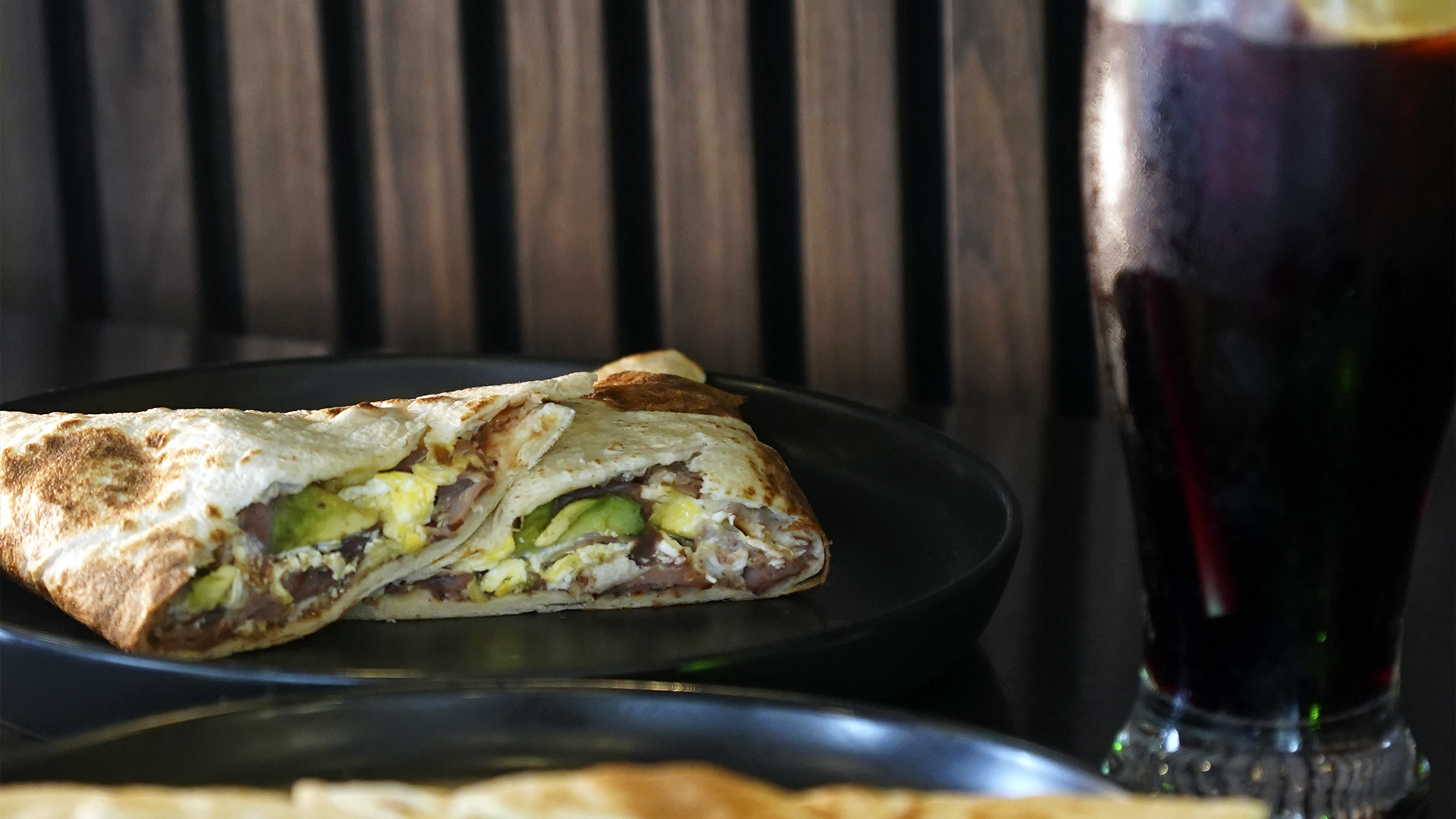
Baleadas: Honduran origin & tradition – Morazán
Baleadas: the Flavor from La Ceiba that Conquered Honduras
Unlike other centuries‑old dishes, the baleada is relatively young. Journalist Daniel Galeano notes that it appeared about 60 years ago; there is no evidence of pre‑Hispanic origins. Galeano emphasizes that the tortilla wrapping it is made of wheat flour, an ingredient introduced by Europeans and rarely used in indigenous cooking. Researchers place its birth in the port city of La Ceiba on Honduras’ northern coast in the mid‑20th century, when the banana industry was booming.
Several legends explain its name. One theory says the beans looked like bullets because they flew out the sides of the tortilla. Another recounts a woman wounded by a bullet who continued selling tortillas; her customers said “let’s go to the baleada,” referring to the injured lady. Still another attributes its creation to Teresa, a young single mother who in 1964 set up a stall near the railway in La Ceiba to feed banana workers.
Basic ingredients and tortilla artistry
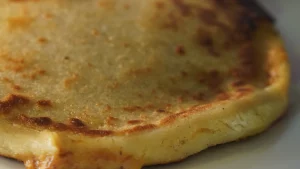
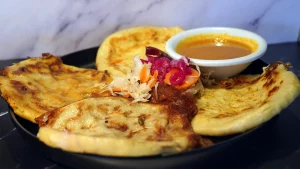
The traditional baleada, known as the baleada sencilla, features a wheat flour tortilla filled with refried red beans, crumbled queso duro (or cotija cheese) and Honduran sour cream or butter. This simplicity is key to its success: it lets the basic flavors shine and highlights the quality of the tortilla. The dough is prepared with wheat flour, water, lard and salt; some recipes substitute lard with coconut oil or use coconut milk for a Caribbean flavor. After kneading and resting, the “baleadoras” — expert women who make baleadas — form thin tortillas by passing the dough between their hands and cooking them on a comal.
Regional variations and creativity
The baleada’s versatility has led to multiple versions:
- Baleada mixta: adds scrambled eggs.
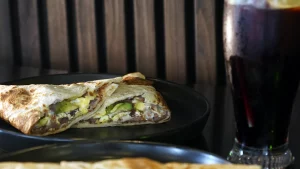
- Baleada preparada: includes eggs and avocado.
- Super preparada: adds grilled meat or chorizo.
- Baleada with plantain: popular in the south, combining beans with fried plantain.
- Asian influences: historian Julio César Zepeda suggests that the wheat tortilla evolved from chapatis and naans introduced by Indian and Pakistani cooks working for banana companies, later adapted with lard and coconut milk.
The baleada’s popularity has crossed borders. In 1983 a Honduran opened a restaurant in Guatemala that introduced baleadas as “flour tortillas,” boosting their regional diffusion. Today festivals celebrate baleadas and there is a proposal for a National Baleada Day, reflecting their growing status as a national dish.
Social and economic significance
Baleadas symbolize female entrepreneurship in Honduras. Galeano notes that most baleada stalls are run by women who rise at dawn to knead, cook and sell in the streets, providing for their families. This work requires skill and speed to form the tortillas and is a key source of income in urban and rural areas.
How they’re served at Morazán
Morazán Restaurant offers simple baleadas with beans, cheese and cream, and more elaborate options with egg, avocado or meat. The tortilla dough is prepared daily to ensure softness and flavor. Customers can personalize their baleada and enjoy it for breakfast or dinner, accompanied by coffee or fresh juices.
Conclusion
Despite its relatively recent history, the baleada has become a core element of Honduran identity. Its legends, simplicity and the creativity of the “baleadoras” have elevated it from street food to cultural symbol. Morazán honors this tradition by serving fresh baleadas that capture the spirit of La Ceiba and the women who have kept the recipe alive.