Mexican tacos: history & varieties – Morazán
Mexican tacos: history & varieties – Morazán
Tacos: Evolution of a Mexican Icon
Even though filled tortillas have been part of the Mesoamerican diet for millennia, the taco as we know it has a more recent history. Historian Jeffrey Pilcher notes that the word “taco” was used in colonial Mexico’s silver mines to refer to small paper cartridges filled with gunpowder; these “miner’s tacos” gave the dish its name. Another interpretation links the term to the Nahuatl word tlahco (“half” or “in the middle”), referring to the tortilla folded to hold fillings. Indigenous peoples in the Valley of Mexico already wrapped beans, fish or insects in tortillas, and the Spanish later introduced meats like beef and pork, as well as cheese.
Regional diversity and fusions
The modern taco is defined by its versatility. Numerous regional styles exist:
- Taco al pastor – inspired by the shawarmas of Lebanese immigrants who arrived in Puebla in the early 20th century; it features marinated pork cooked on a vertical spit.
- Tacos de asador – such as carne asada, ribs, chorizo or pork chop, popular in northern Mexico.
- Tacos de cabeza – made with steamed parts of a cow’s head (cheek, tongue).
- Seafood tacos – like shrimp or fish tacos, typical of Pacific coastal regions.
- Tlayudas and dorados – in Oaxaca and the Bajío large or fried tortillas are used; in Sonora, wheat tortillas make cheese tacos.
Beyond indigenous varieties, the taco has embraced international influences. Lebanese migration brought the al pastor style, while in the United States tex‑mex versions such as crispy‑shell tacos with American seasonings emerged. Contemporary chefs experiment with gourmet ingredients, colorful tortillas or vegan fillings.
Cultural and social significance
The taco is a staple of everyday life in Mexico and a symbol of social unity. From Mexico City’s streets to rural markets, taco stands serve as gathering points. Eating tacos after late‑night festivities is almost an urban ritual, and during fairs and Independence Day celebrations millions of Mexicans enjoy this dish. Its worldwide popularity underscores the ability of Mexican cuisine to adapt and win diverse palates.
How they’re enjoyed at Morazán
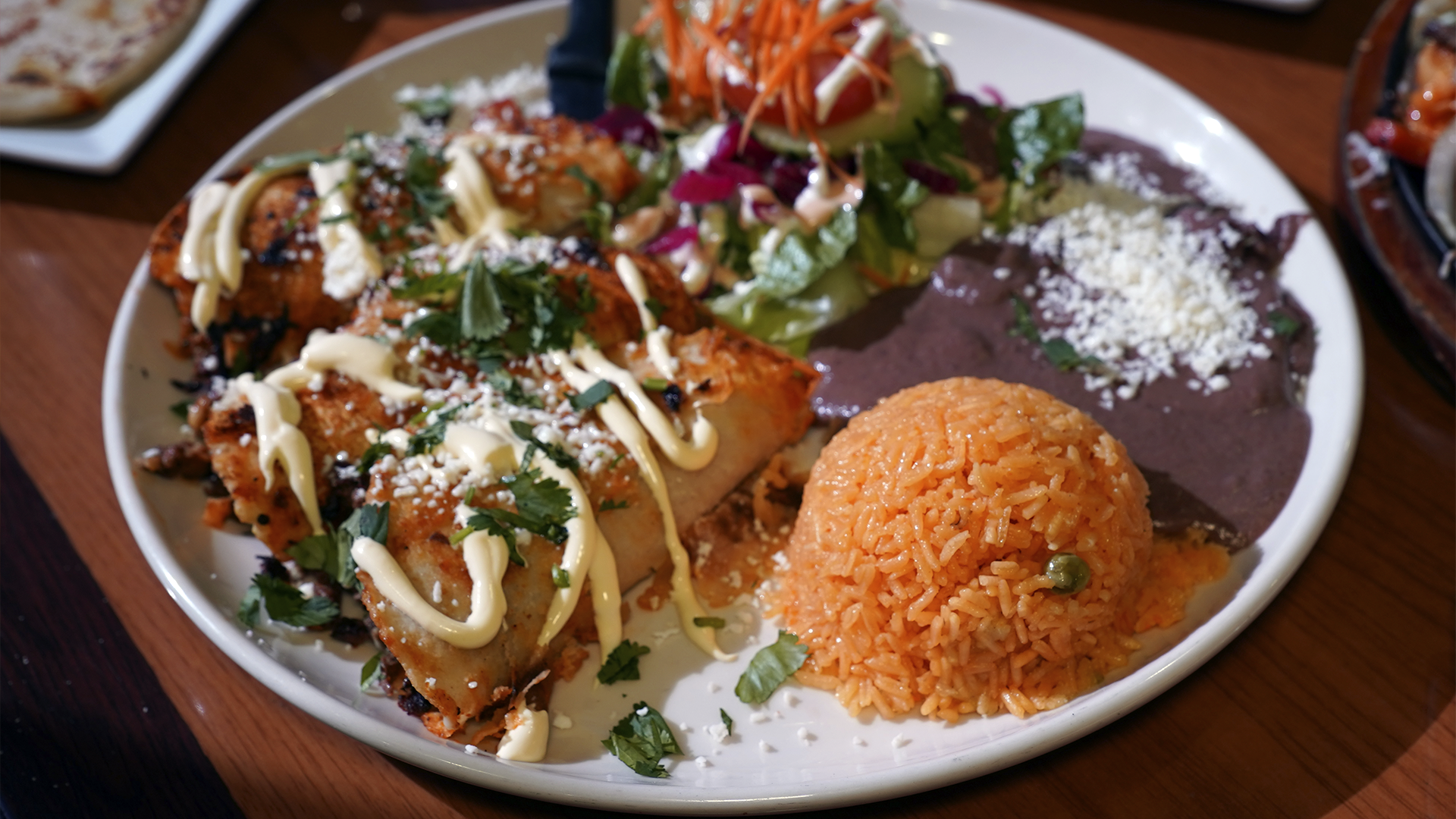
Morazán Restaurant offers various tacos made with freshly prepared corn tortillas. Options include taco al pastor, carne asada, adobo chicken and vegetarian. They are served with onion, cilantro and a selection of homemade salsas. The restaurant also hosts special taco nights where diners can sample different styles and learn about their history.
Conclusion
The taco has evolved from miners’ explosives and Aztec tortillas into a global phenomenon. Its flexibility to incorporate ingredients and techniques has allowed each region of Mexico to make it its own, and its international popularity demonstrates its adaptability. Morazán honors this heritage by offering authentic tacos that celebrate the diversity of Mexican gastronomy.