History & varieties of pupusas – Morazán
History & varieties of pupusas – Morazán
Pupusas: 3,000 Years of Central American Tradition
Pupusas are among the oldest dishes in Central America. Archaeological studies cited by the cultural portal Hola Cultura indicate that pupusas originated in El Salvador and were eaten by the Pipil people nearly 3,000 years ago. According to Solid Ground, these round corn cakes arose with the Pipil tribe more than 2,000 years ago and were vegetarian foods filled with pumpkin flowers, herbs or mushrooms before the Spanish arrived.
With colonization, the pupusa transformed. From the 16th century onward, Spaniards introduced ingredients such as pork, cheese and dairy, enriching the traditional fillings. The first written record of pupusas dates to 1837, and in 2005 the Salvadoran government declared them a national dish. On the second Sunday of November, National Pupusa Day is celebrated with festivals and competitions. During the Salvadoran civil war of the 1980s, thousands of people emigrated to the United States and elsewhere, bringing the recipe and opening pupuserías in cities like Washington D.C., Los Angeles and Toronto.
Dough, fillings and artisan technique
Preparation begins with nixtamalization, a Mesoamerican process in which corn kernels are cooked with lime to remove the husk and release nutrients. From this dough thick discs are formed and stuffed with combinations of:
- Cheese – fresh or shredded, adding elasticity and flavor.
- Refried beans – made with red or black beans.
- Chicharrón – ground, seasoned pork.
- Loroco – an edible Central American flower.
- Ayote or pumpkin – a pre‑Hispanic filling.
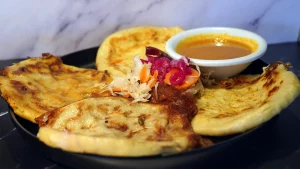
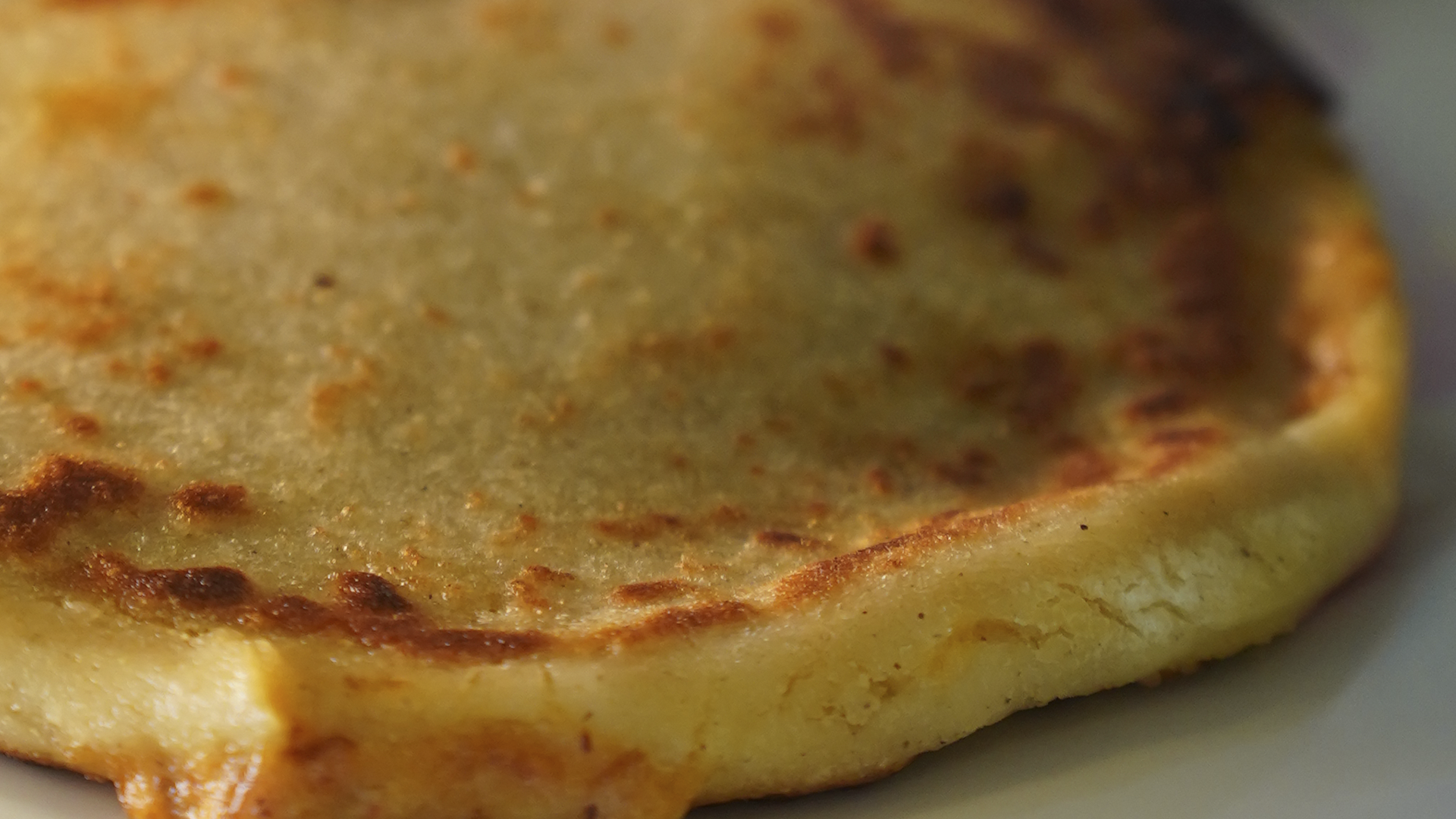
After stuffing, the discs are sealed and gently flattened. Pupusas cook on a hot comal until the dough takes on a golden, crisp color. They are served with curtido (fermented cabbage with carrot and chili) and tomato sauce.
Variations and modernity
Although the classic version uses corn masa, there are also rice pupusas originating in Olocuilta, El Salvador, made with rice flour for a lighter texture. The diaspora has produced creative versions such as the pupusa pizza or fillings with spinach and shrimp. In some places, herbs like loroco and artisanal cheeses enhance the flavor.
Cultural significance and global expansion
Pupusas are a symbol of national identity. On National Pupusa Day, festivals and tastings strengthen local economies and Salvadoran pride. The Salvadoran diaspora has popularized the dish in North America; in Washington D.C., some businesses sell more than 500 pupusas a day. These culinary exports have spawned chains of pupuserías and creative fusions, demonstrating the dish’s ability to adapt without losing its essence.
Conclusion
With more than three millennia of history, pupusas embody the blend of indigenous roots and modern creativity. Their evolution from a simple Pipil food to a global gastronomic icon shows the resilience and adaptability of Central American cuisine. At Morazán, every pupusa tells this story in every bite.